Less downtime
Targeted excitation can release deposits and support discharge at silos, hoppers and transfer points, reducing blockage-related stops and manual clearing.
Measure: stoppage minutes, interventions per shift, tonnes/hour.
Pneumatic resonance for material flow, concrete compaction and industrial processing. We start with your production problem and test the solution on your process.
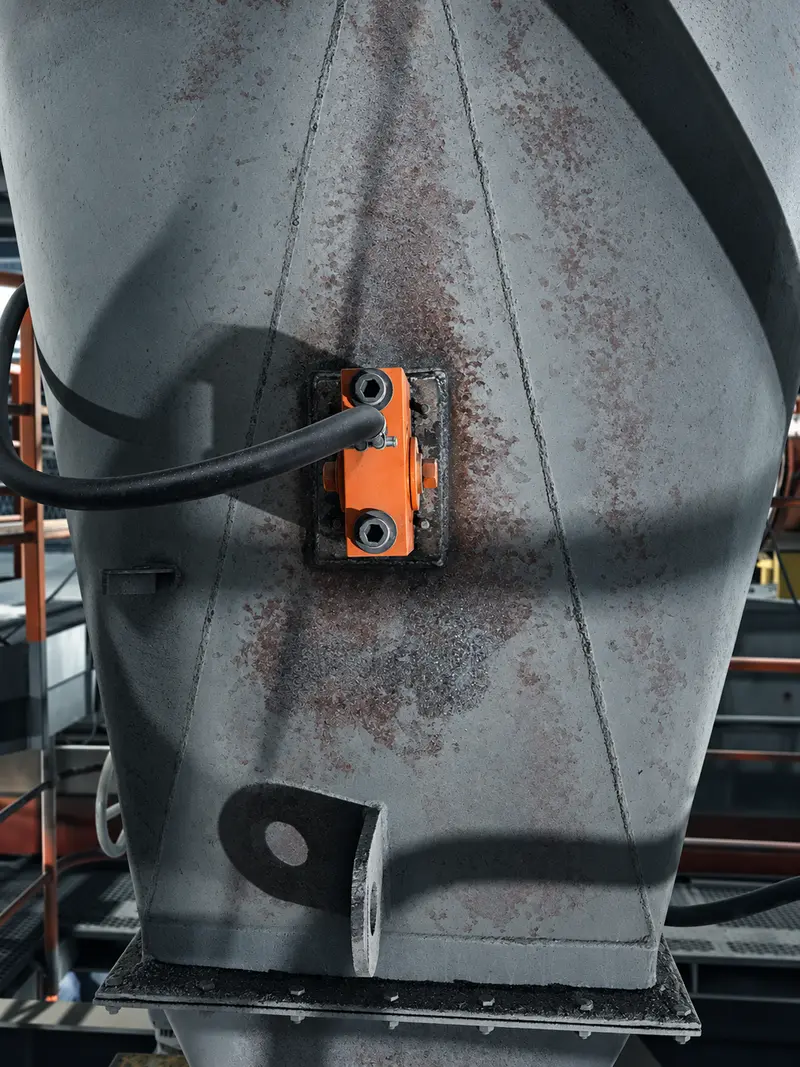
The difference is how we combine high-frequency, low-amplitude pneumatic excitation with ARA™ resonance architecture and application-specific mounting. We select the operating point around your material, equipment and production target—not force alone.
Targeted excitation can release deposits and support discharge at silos, hoppers and transfer points, reducing blockage-related stops and manual clearing.
Measure: stoppage minutes, interventions per shift, tonnes/hour.
In suitable applications, vibration can accelerate filling, discharge, settling or concrete compaction. Confirm cycle time and product quality together.
Measure: seconds per cycle, accepted output/hour, rejects.
Less manual clearing, rework and internal vibrator servicing can reduce costs. Pneumatic drive is not automatically more energy-efficient.
Measure: labour, maintenance, rejects and compressed-air consumption.
RESONATOR’s 2018 project record reports cleaning within about 30 seconds at a cement-filler silo. This is historical, application-specific experience—not a 30-second cycle saving, independent audit or universal guarantee.
Read the project record ↗Compare the existing method and RESONATOR with the same material, load and quality criteria. Track downtime, cycle time, good output and air consumption. Net benefit = avoided operating costs + contribution from additional saleable output − added operating costs. Assess equipment and installation separately; do not count the same gain twice.
Some individual features also exist in other vibrators. We do not claim universal superiority or a fixed percentage saving; the difference must be demonstrated in a matched industrial trial.
Evaluate your savings ↗Choose your challenge to see where resonance can help.
RVS mounts to the structure. RVI works inside the material. RVC is engineered around a specific process.
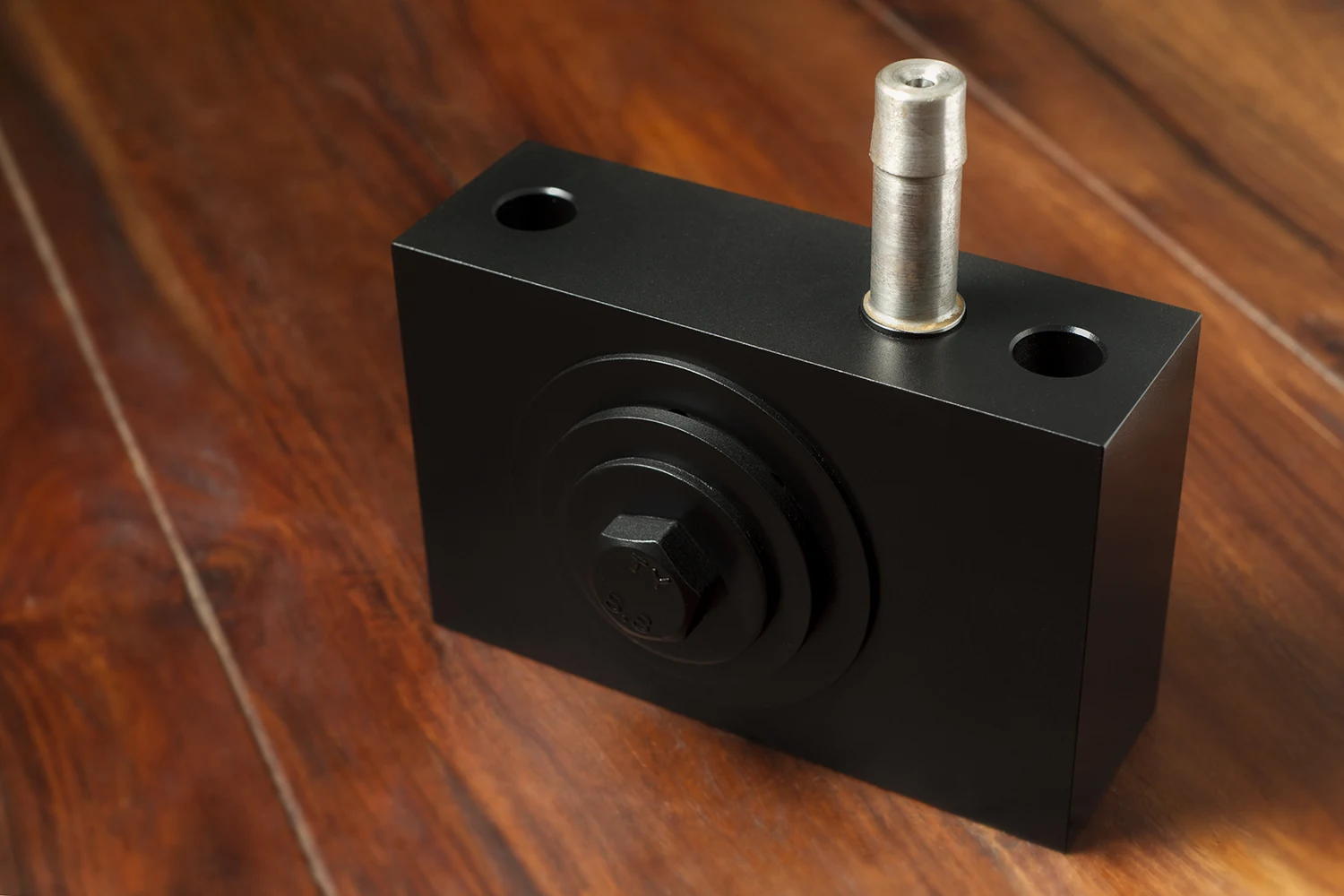
External excitation for silos, moulds, tables and transfer equipment.
Explore the system ↗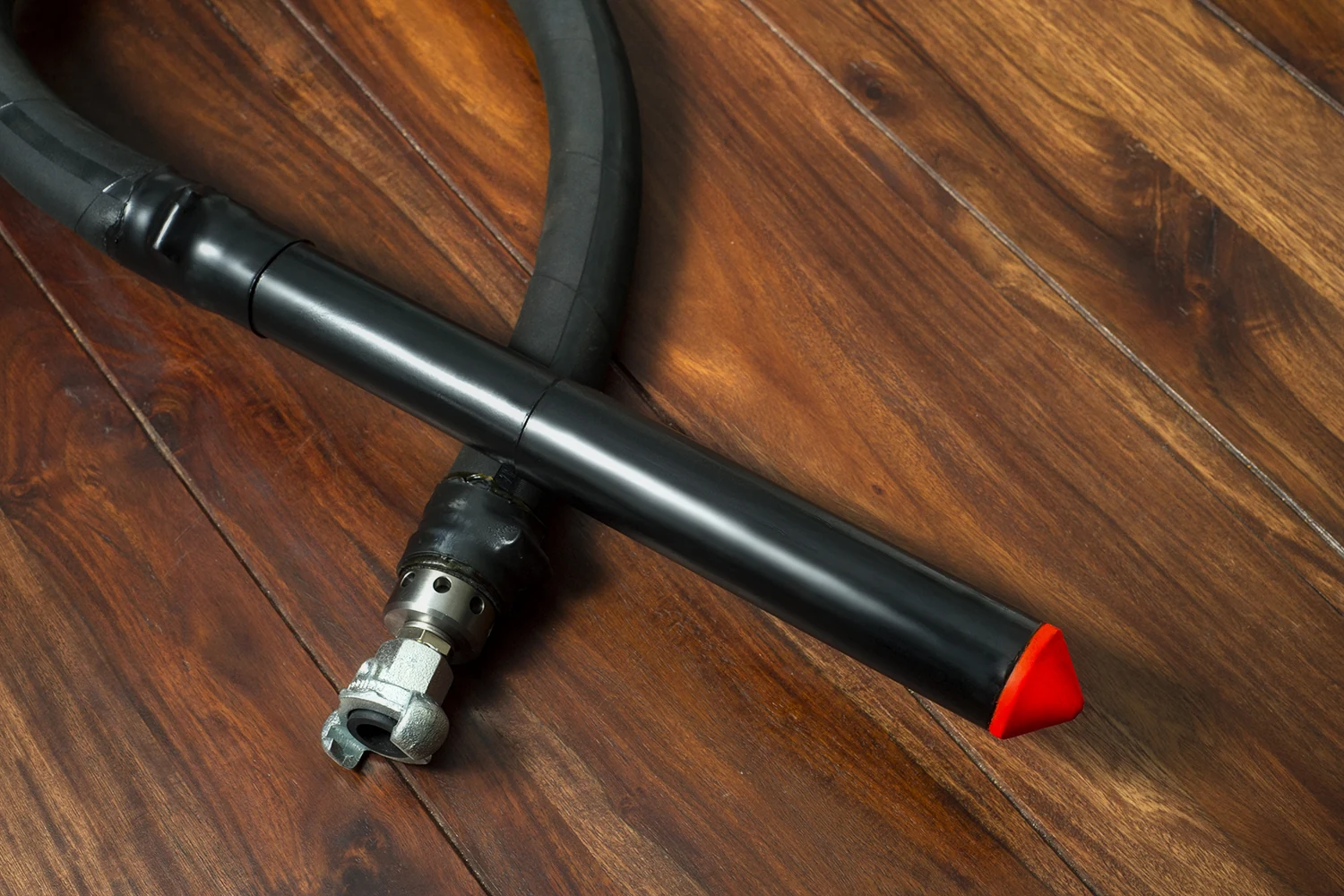
Pneumatic excitation inside compatible liquids and wet process media.
Explore the system ↗A configuration designed around your equipment, material and operating target.
Explore the system ↗Material bridge illustrated at the outlet.
Switch the illustration to see the intended energy path at a silo outlet.
Concept illustration, not a measured simulation. Material response and mounting are validated for each installation.
Discuss a material demonstration ↗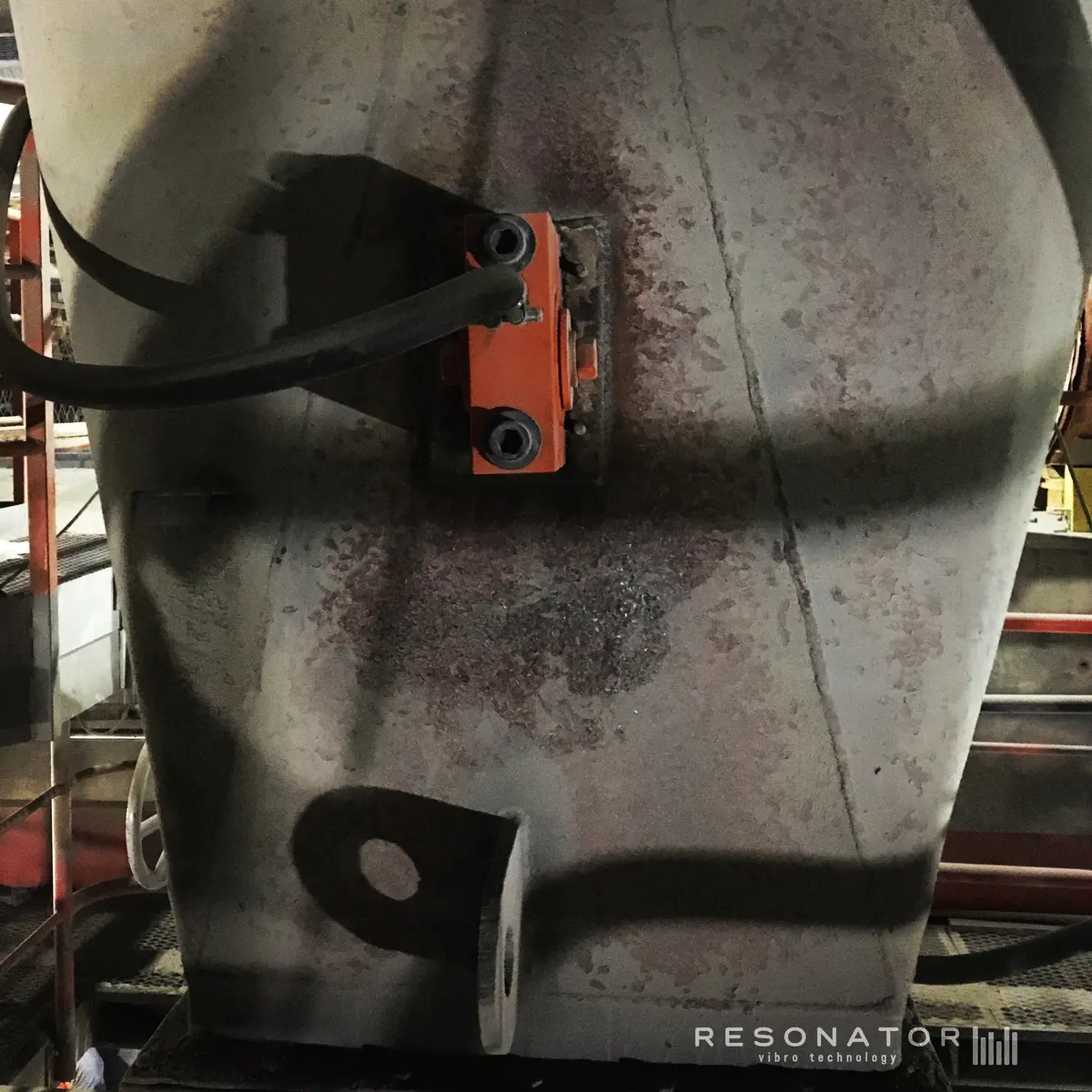
Explore installation photographs, process challenges and observations from the CEMEX project record. Historical experience helps frame the next trial; it does not guarantee the same result in another process.
Explore the CEMEX field experience ↗Tell us what gets stuck, slows production or needs better compaction. Together we define a baseline and a measurable target for an industrial pilot.
Compare purchase, service and partnership ↗