Less downtime
Target fewer interruptions and a shorter return to operation.
Potential applications on drilling rigs, offshore platforms and service bases. Start where recurring material blockages cause downtime, then validate the result on the actual equipment.
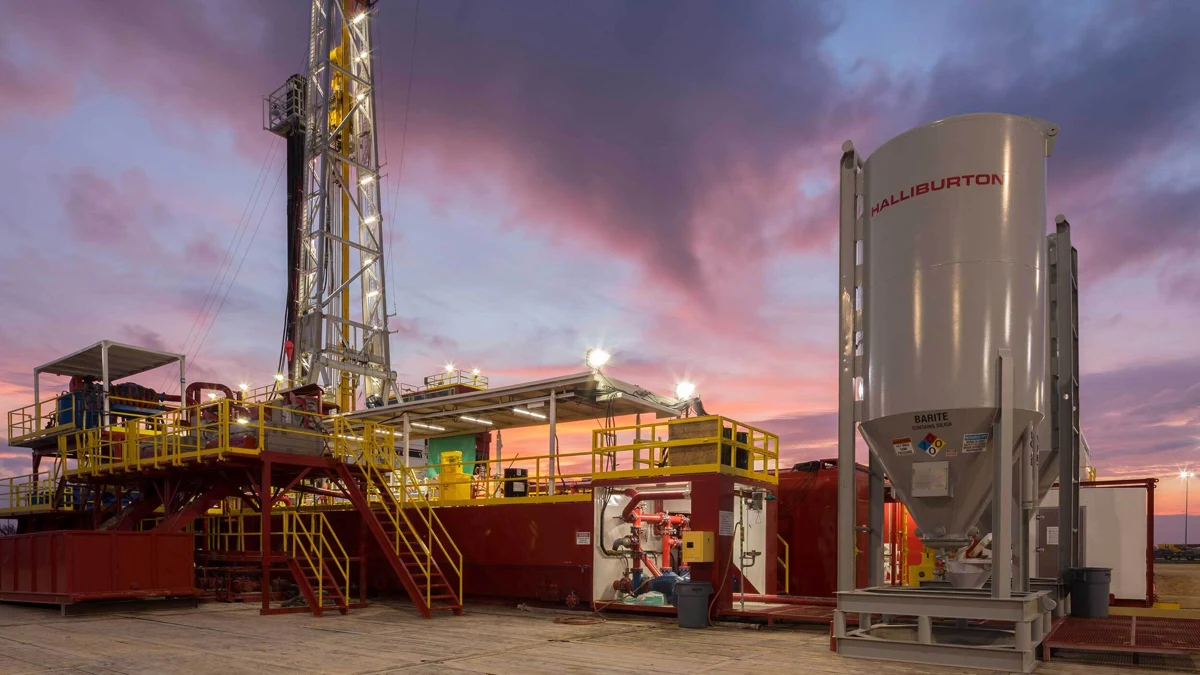
Target fewer interruptions and a shorter return to operation.
Assess recurring blockages in selected hoppers and transfer points.
Measure discharge time, manual interventions and retained material.
Choose one documented bottleneck in a service base or an auxiliary system. Each mounting position requires equipment-specific engineering.
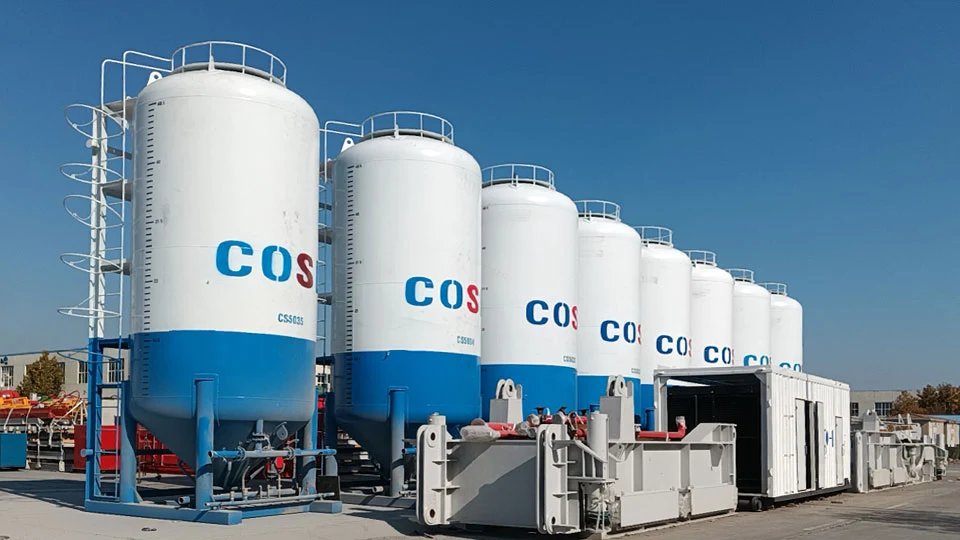
Assess the outlet cone where bridging or adhesion interrupts powder supply. Candidate: an engineered external RVS mounting bracket.
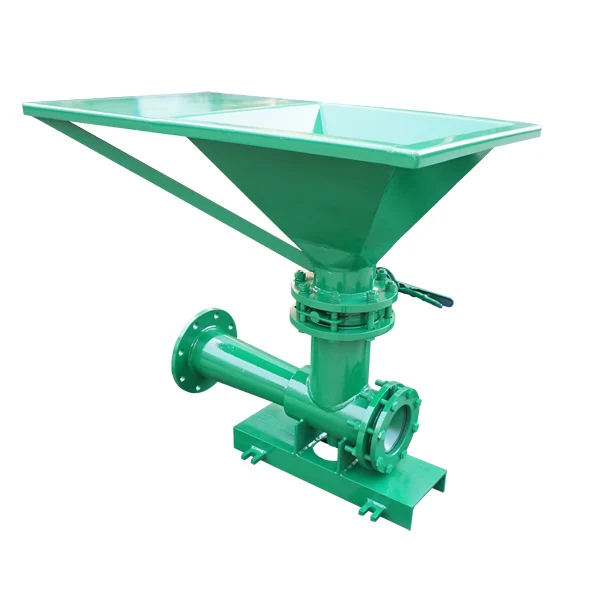
Assess the dry inlet where additives hang up. Candidate: the external hopper wall, with guards and mixing performance preserved.
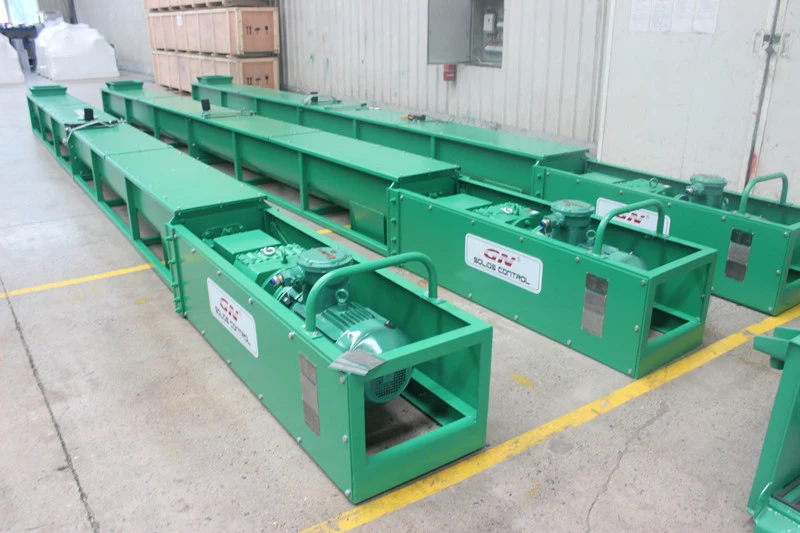
Assess receiving hoppers and transfer chutes around screw conveyors. Candidate: a local external support, separate from shafts, bearings and drives.
Equipment examples from other manufacturers. These photographs do not show confirmed RESONATOR installations or imply a partnership.
Selected locations from the application study. Availability and suitability depend on the facility; these are candidates for assessment, not approved mounting instructions.
Barite, bentonite and cement silo outlets; surge and weighing hoppers; bag-opening and big-bag stations; powder feeder inlets; gravity chutes and dust-collector hoppers.
Dry mixing-hopper inlet; polymer and lost-circulation-material feeders; barite pre-mixing vessels; active, reserve and return mud tanks; brine preparation. Immersion applications need separate validation.
Gumbo separator outlet; external centrifuge cake discharge; cuttings dryer inlet; screw-conveyor receiving and transfer points; pneumatic and vacuum collection hoppers. Shaker modifications require OEM review.
Supported cuttings containers; feed hoppers before cuttings-reinjection grinding; slurry preparation before the pump; thermal-treatment inlet and outlet hoppers.
Dry-additive hoppers; cement slurry, spacer and grout preparation vessels; service-base concrete; dewatered sludge outlets and powdered water-treatment reagents.
Sonic drilling heads, drill-string friction reduction, casing and liner deployment, casing excitation during cementing, coiled-tubing tools and ROV contact tools require dedicated development. The existing RVS has no confirmed downhole application.
Review structural dynamics and fatigue, the mounting bracket, air supply, exhaust and the facility’s hazardous-area requirements. Pneumatic drive alone does not establish Ex suitability. Pressure vessels and certified containers require approval before modification. Do not excite rotating assemblies or suspended containers.
Compare downtime minutes per 100 tonnes or per equal number of cycles, blockage frequency, restart time, air consumption and process quality. The operator must establish whether a local delay affects the drilling critical path; local time saved is not automatically rig downtime avoided.
Industrial pilotSend equipment photos, material information, a mounting drawing and a downtime record. We will assess a suitable configuration and agree on success criteria.
Discuss a pilotPhoto sources