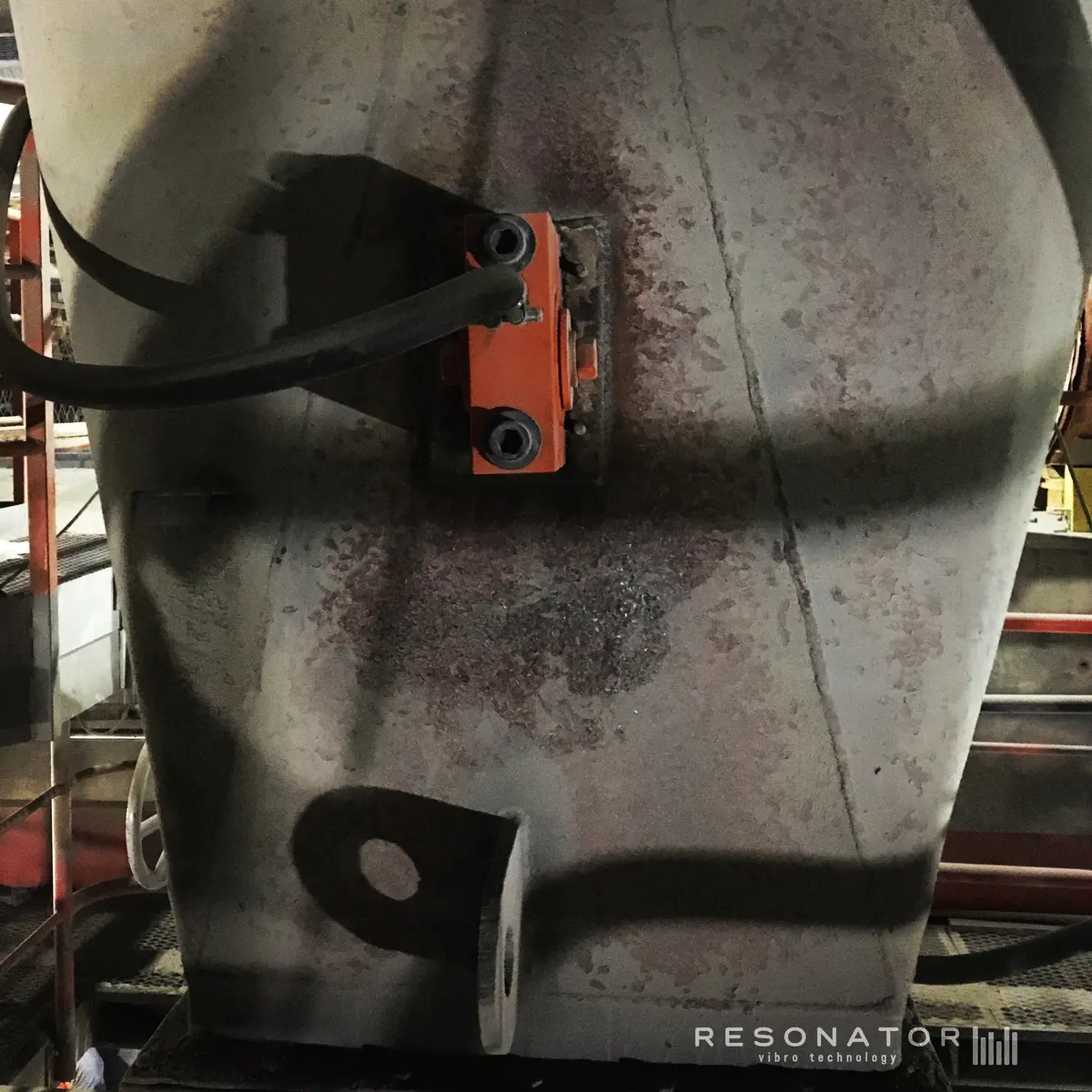
Cement silo discharge
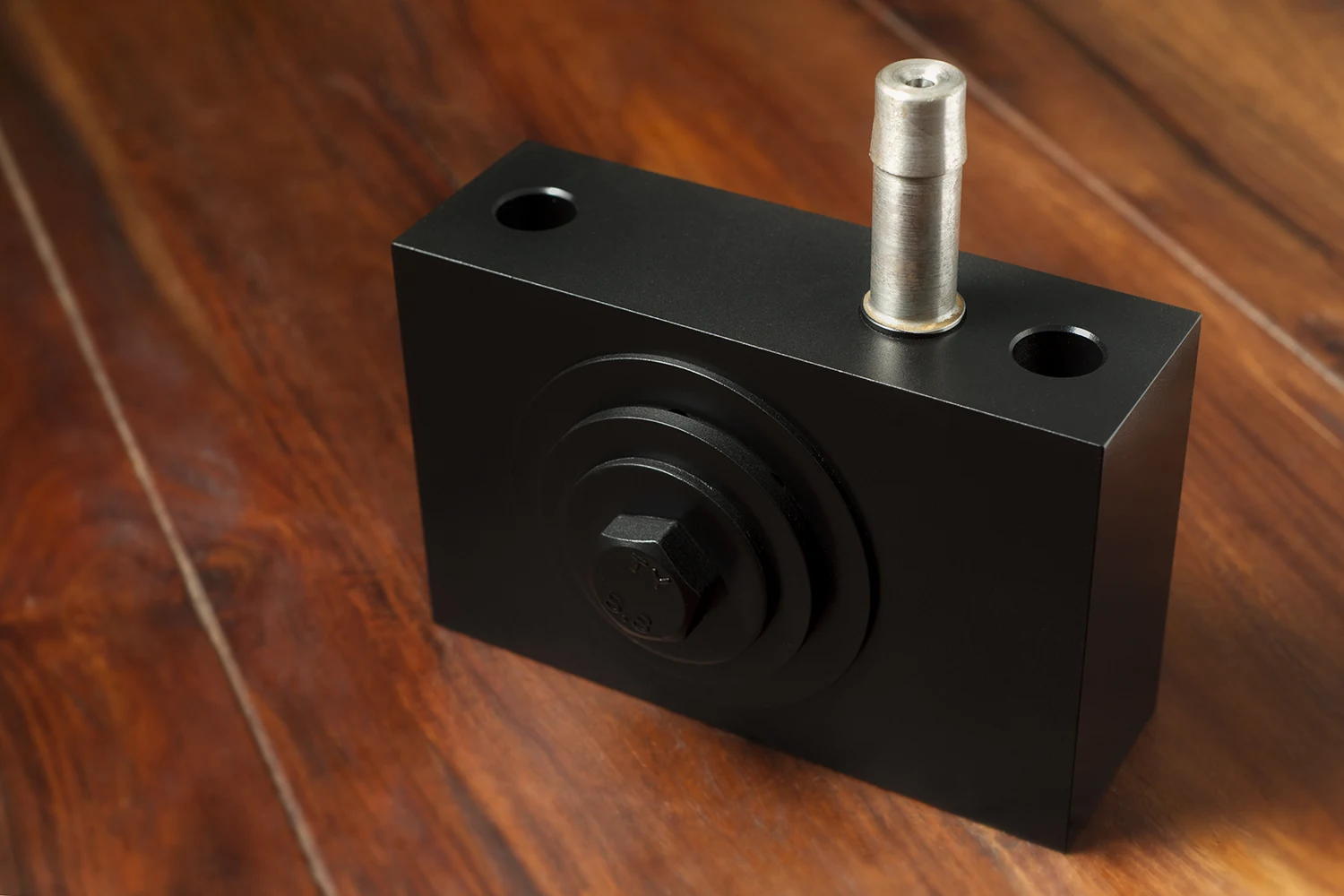
A resonance unit mounted on a cement-filler silo. The engineering task is to transfer excitation into the structure where material adheres.
Explore this application ↗Documented installations, process challenges and observations from the RESONATOR project record of July 2018.
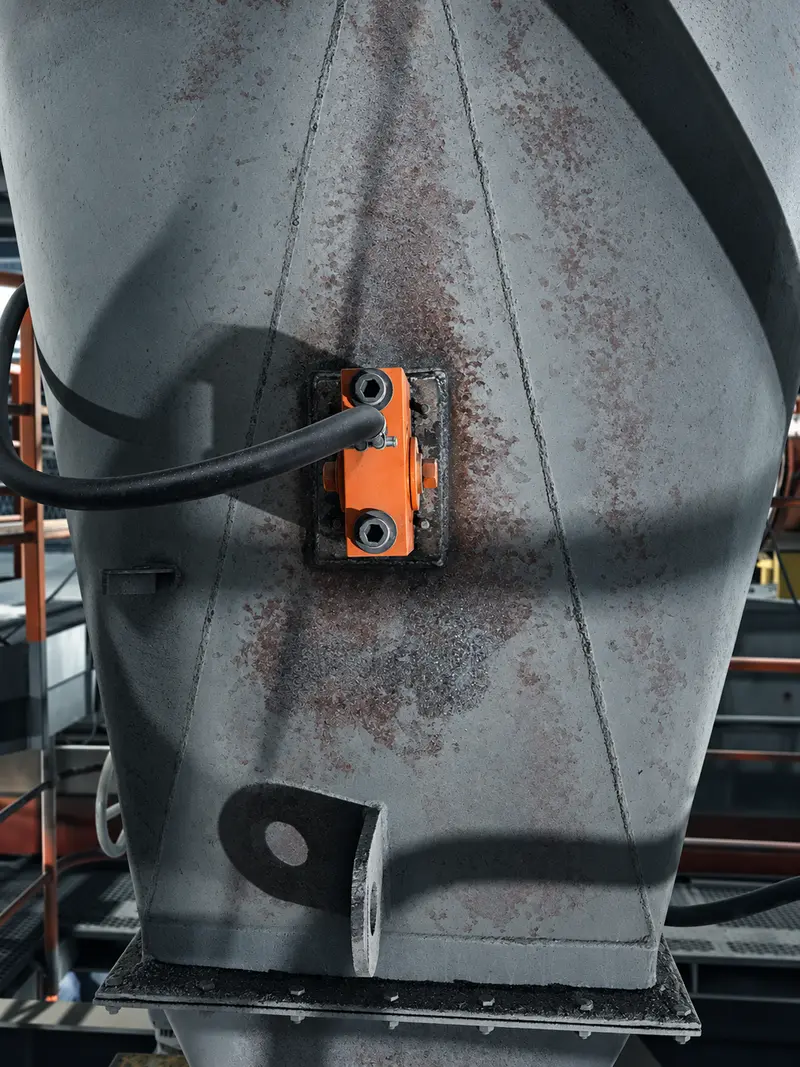
See the equipment, locate the challenge, then explore the engineering approach.
A resonance unit mounted on a cement-filler silo. The engineering task is to transfer excitation into the structure where material adheres.
Explore this application ↗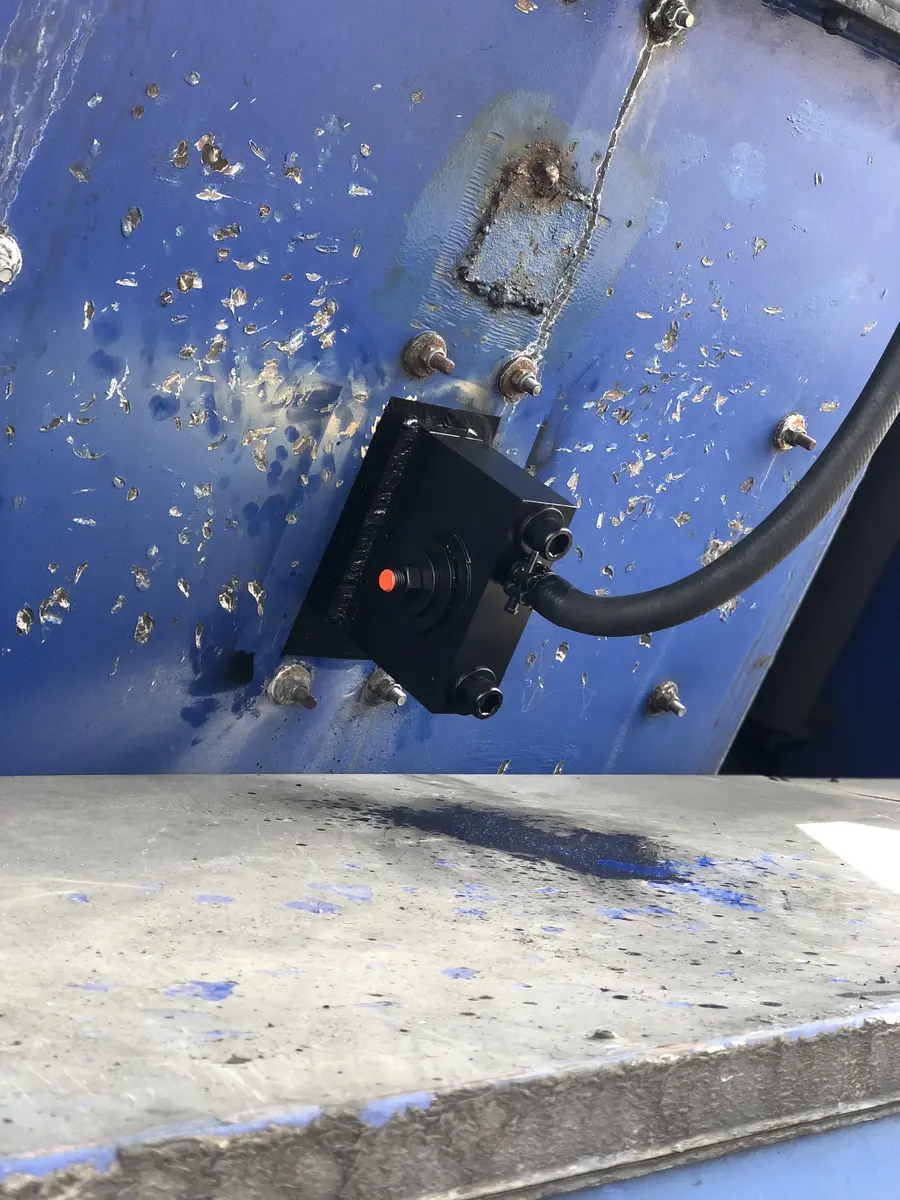
A mounted resonance unit on transfer equipment. The project record discusses material accumulation and interruptions at this transfer point.
Explore this application ↗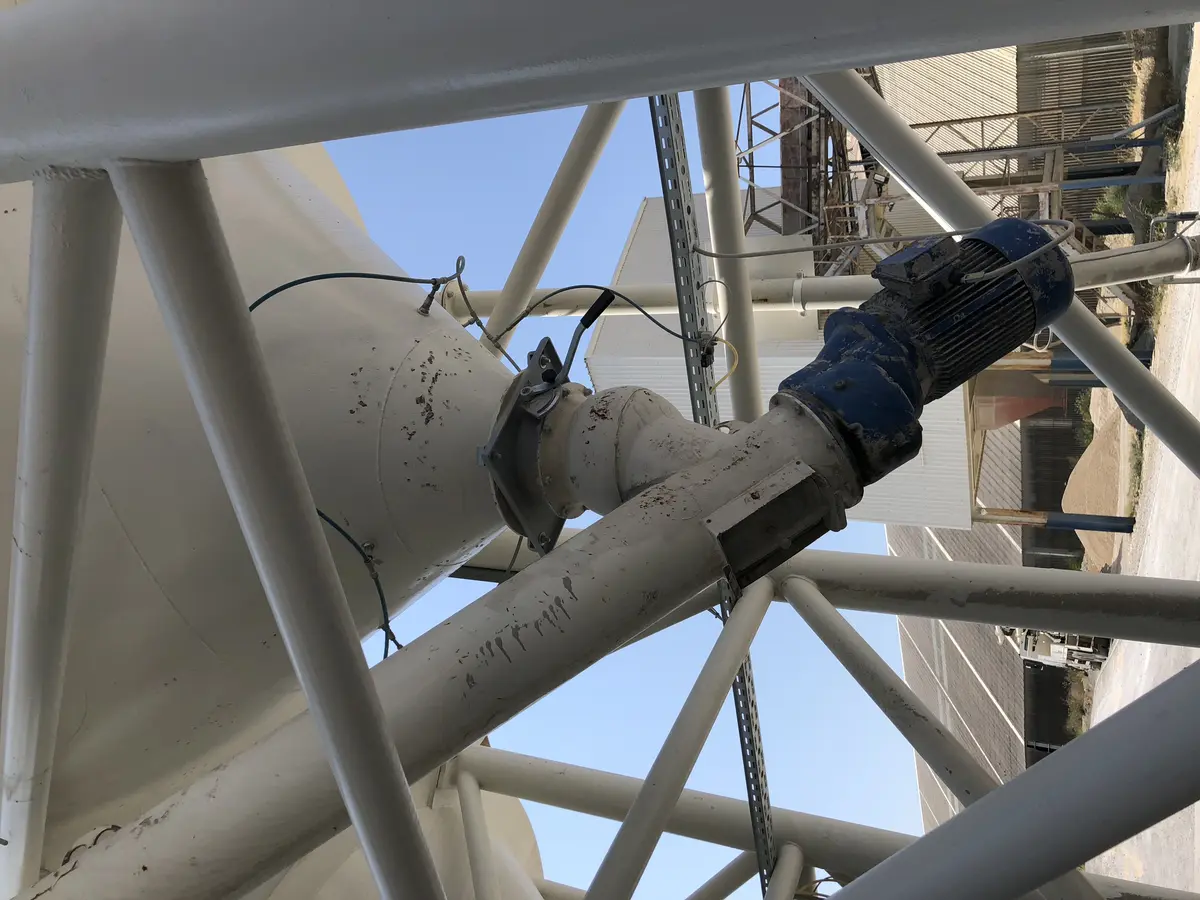
A silo outlet and screw conveyor shown as a potential application in the project record. This is site context, not proof of a completed installation.
Explore this application ↗Source: RESONATOR / CEMEX project record, July 2018. Historical photographs; not a guarantee of results for a new installation.
RESONATOR project records document applications in CEMEX concrete testing, cement-filler silos and bulk-material transfer equipment.
Historic project documentation supplied by RESONATOR. Results are application-specific and do not represent a universal performance guarantee. Every new process is validated through an engineering assessment and, where appropriate, an Industrial Pilot.
Deposits restricted discharge and required manual clearing. The 2018 record reports cleaning response within about 30 seconds after installation.
The transfer-point record describes less blockage and manual removal after mounting. The observations are qualitative; a quantified matched baseline is not provided.
July 2018: specimens P-61 and P-63 were vibrated for 15 seconds. The record specifies C25/30, Dmax 16, XC2, S1, Cl 0.2 and water/cement 0.5. It reports density and hardening observations; no strength percentage is asserted here.
Source: RESONATOR / CEMEX project record, July 2018, and the accompanying concrete-trial summary. These are historical manufacturer records, not an independently audited performance guarantee. A new pilot uses a matched baseline.